MÉTODO PONS · WEEKLY NEWSLETTER →PROPOSE COLLABORATION →

Método PONS

Methodology Audit: System or Fragile Script?

Robustness is born when methodology becomes the universal language that unites the club.
Methodology Audit: System or Fragile Script?
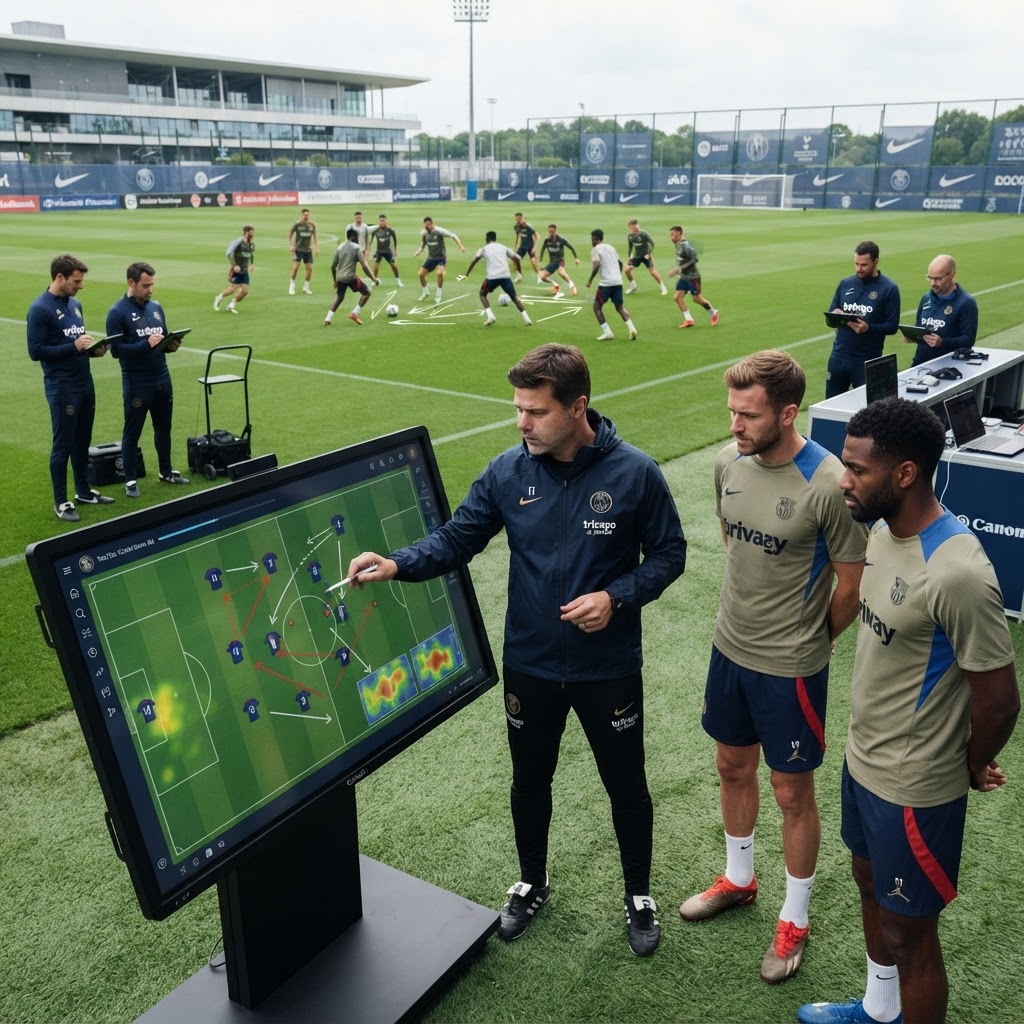
This idea illustrates the difference between having football concepts and possessing a methodology capable of structuring how they are learned, applied, and verified. Modern sports management often fails by treating the team as a sum of static components. True performance architecture resides in the team's ability to self-organize under pressure. Excellence is proportional to the quality of the decision-making systems integrated at all levels of the club. By designing training tasks as adaptive response scenarios, rather than technical repetitions, we cultivate executive autonomy. The challenge is not performance in calm phases, but the reconfiguration of the system in the face of chaos. Progress must be measured by the efficiency of information transfer, not by hours on the pitch. A systemic methodology ensures that tactical identity survives personnel changes. A club with a shared cognitive structure is resilient. Audit your work: if it collapses under extreme fatigue or contextual changes, it is a script, not a system. The PONS Method converts principle into an architecture of relationships, decisions, and transfer instead of leaving it as an isolated statement.

Explore David Pons professional profile and strategic collaboration

David Pons professional profile

#PonsMethod #PerformanceArchitecture #ProfessionalFootball #SportsManagement #SystemicMethodology #DavidPons #FootballCoach #UEFAPro #FootballLeadership #SportingDirector
Request PONS Method implementation. The fundamental error in modern sports management is treating the team as a sum of static components instead of an organism that breathes under pressure. Performance architecture does not reside in the rigidity of a predefined game model, but in the ability of structures to self-organize in the face of uncertainty. My thesis is clear: competitive excellence is directly proportional to the quality of the decision-making systems integrated into every level of the club. When a coaching staff designs training tasks as adaptive response scenarios, rather than mere technical repetitions, they are building a culture of executive autonomy. The challenge is not what to do when the plan works, but how the system fluidly reconfigures when the context changes drastically. To achieve this resilience, we must stop measuring progress by the accumulation of hours on the pitch and start measuring it by the efficiency of information transfer between staff and squad. The implementation of a clear decision architecture allows tactical identity to survive rotation and performance crises. A club with a systemic methodology does not depend on isolated individuals; it depends on a shared cognitive structure that guides action in fractions of a second. The practical implication for any sporting director or coach is to audit their current methodology: if your work system cannot be executed with precision under extreme fatigue and contextual chaos, then it is not a system, it is a fragile script. We must transition toward architectures that prioritize the thought process over the aesthetic result. Visualize this as a system of interconnected pulleys: if you pull one, the rest automatically adjust to maintain balance, avoiding operational collapse. Institutional robustness is born when methodology becomes the universal language that unites the football director, the coaching staff, and the player. https://institutometodopons.com | https://football.ponsmethod.com | https://ponsmethod.com